Blog

Ford Bronco Sport Big Bend vs. Badlands: What's Better? [2026]

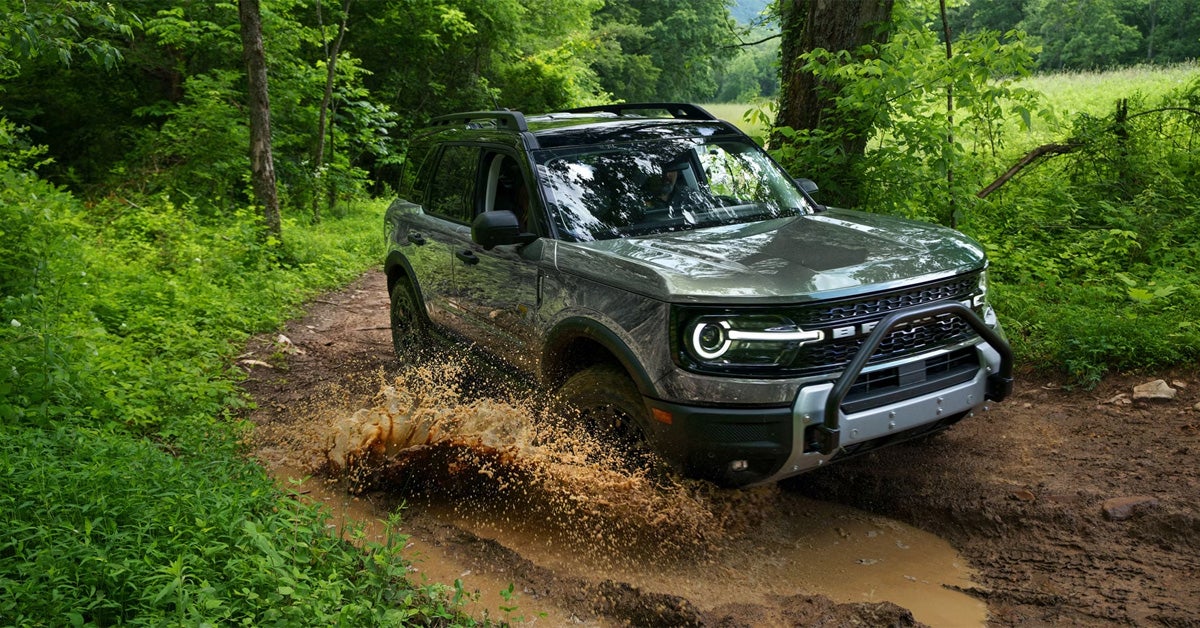
2026 Ford Bronco Sport_EXT 1

The Ford Bronco Sport Big Bend vs. Badlands comparison comes down to how you plan to drive. The Big Bend delivers everyday practicality, standard 4x4 capability, and better efficiency, while the Badlands adds more power and advanced off-road hardware for drivers who want greater trail capability.

At University Ford, we’re here to help you find the Ford Bronco Sport that fits your needs and lifestyle. From sales and financing to service, parts, and more, our team is ready to assist drivers throughout Huntington, Charleston, Barboursville, and Ashland. Give us a call or contact us today to get started.

Ford Bronco Sport Big Bend vs. Badlands: Which Trim Is Better for 2026?

The Ford Bronco Sport Big Bend vs Badlands 2026 comparison comes down to what you expect from your SUV. Both trims deliver standard 4x4 capability and the versatility of the Ford Bronco Sport, but the Big Bend emphasizes everyday value while the Badlands focuses more heavily on performance and off-road capability.

What Makes the Big Bend a Strong Everyday Choice?

The Big Bend is well suited for drivers who want a capable SUV without going all-in on specialized trail equipment. Its 1.5L EcoBoost engine produces 180 horsepower and 200 lb-ft of torque, providing useful power for commuting, highway travel, and everyday errands.

It also offers standard 4x4 capability, five selectable drive modes, and better estimated fuel economy than the Badlands. For drivers spending most of their time around Huntington, Charleston, Barboursville, or Ashland, that balance can make the Big Bend a practical choice.

Why Does the Badlands Stand Out?

The Badlands is designed for drivers who want more performance from their SUV. Its 2.0L EcoBoost engine produces 250 horsepower and 277 lb-ft of torque, giving it a noticeable advantage when accelerating, passing, or tackling challenging terrain.

Its Advanced 4x4 system with a twin-clutch rear drive unit also provides greater control when conditions become demanding. HOSS 2.0 suspension, steel skid plates, all-terrain tires, and additional drive modes further prepare the Badlands for serious trail use.

Which Bronco Sport Trim Fits Your Driving Style?

The better choice depends on where you expect to drive most often.

  • Choose Big Bend for everyday commuting, efficiency, standard 4x4 capability, and strong overall value.
  • Choose Badlands for additional horsepower, advanced 4x4 capability, and frequent off-road adventures.
  • Choose Big Bend if most of your driving takes place on paved roads with occasional trips onto dirt or light trails.
  • Choose Badlands if rocky paths, mud, steep terrain, and demanding trails are part of your regular plans.

Neither trim is automatically better for every driver. The Big Bend offers a well-rounded combination of capability and practicality, while the Badlands makes sense for those who want to take their Ford Bronco Sport further off the pavement.

If you are still deciding between the two, the team at University Ford can help you compare the features and capabilities that matter most. Contact us today to find the Bronco Sport trim that fits your driving needs.

How Do the Big Bend and Badlands Compare on Price and Value?

When comparing the Ford Bronco Sport Big Bend and Badlands, the price difference reflects more than a higher trim level. The Badlands adds a stronger engine, upgraded 4x4 hardware, and additional off-road equipment, while the Big Bend focuses on providing useful capability at a lower starting price.

How Much Does Each Trim Cost?

Based on the pricing information provided, the Big Bend starts at approximately $31,845, while the Badlands starts around $37,625. That puts the Badlands roughly $5,780 higher before considering additional options or equipment.

The Big Bend can make sense for someone who wants a rugged SUV for commuting, errands, road trips, and occasional adventures. You get standard 4x4 capability without paying for equipment that may not be necessary for everyday driving.

The Badlands asks for a larger investment, but it also brings meaningful upgrades for drivers who plan to take advantage of them.

What Do You Get for the Additional Cost?

The biggest differences become clear when comparing the Big Bend vs Badlands features. The Badlands adds equipment that is particularly valuable when driving beyond paved roads.

Key upgrades include:

  • 2.0L EcoBoost engine with 250 horsepower and 277 lb-ft of torque
  • Advanced 4x4 system with a twin-clutch rear drive unit
  • HOSS 2.0 off-road suspension
  • Steel skid plates for additional underbody protection
  • All-terrain tires
  • Additional selectable drive modes for challenging terrain
  • Increased towing capability, with up to 2,700 pounds when properly equipped

The Big Bend, meanwhile, delivers a lower entry price while still providing standard 4x4 capability, a 1.5L EcoBoost engine, and useful everyday versatility.

Which Trim Provides Better Value?

Value depends on whether you will actually use the equipment included with each trim. A driver who primarily travels around Huntington, Charleston, Barboursville, or Ashland may find that the Big Bend provides everything needed for daily transportation and weekend trips.

For an off-road enthusiast, the calculation can look very different. Paying more for the Badlands can make sense when its additional power, suspension upgrades, and advanced drivetrain are features you expect to use regularly.

Think of it this way:

  • Big Bend: Lower starting price and strong everyday value.
  • Badlands: Higher price with significantly more performance and trail-focused equipment.
  • Big Bend: Better suited to drivers who prioritize efficiency and practicality.
  • Badlands: Better suited to drivers who prioritize off-road capability and power.

Ultimately, the best value is the trim that gives you the features you will actually use. Contact University Ford to compare available Ford Bronco Sport models and get help finding the right balance of price, capability, and features for your needs.

What Engines and Performance Features Separate the Two Trims?

The engine is one of the clearest differences in a Bronco Sport trim comparison: Big Bend Badlands. Both trims provide 4x4 capability and an 8-speed automatic transmission, but they take different approaches to power. The Big Bend focuses on balanced everyday performance, while the Badlands delivers substantially more horsepower and torque for drivers who want extra muscle.

How Does the Big Bend Engine Perform?

The Big Bend is powered by a 1.5L EcoBoost turbocharged three-cylinder engine producing 180 horsepower and 200 lb-ft of torque. That combination provides enough power for daily commuting, highway driving, and weekend trips without making performance the sole focus.

For a driver traveling through Huntington or making regular trips toward Charleston, the Big Bend offers a sensible balance. Its smaller engine also contributes to stronger fuel economy compared with the Badlands.

Key Big Bend performance features include:

  • 1.5L EcoBoost turbocharged three-cylinder engine
  • 180 horsepower
  • 200 lb-ft of torque
  • 8-speed automatic transmission
  • Standard 4x4 capability
  • Five selectable drive modes

What Does the Badlands Add for Performance?

The Badlands steps up to a 2.0L EcoBoost turbocharged four-cylinder engine that produces 250 horsepower and 277 lb-ft of torque. That is a substantial increase over the Big Bend, giving the Badlands quicker acceleration and more confidence when additional power is useful.

The extra output can be especially noticeable when merging onto highways, passing slower traffic, climbing grades, or carrying additional equipment. For drivers who frequently leave paved roads, the added performance also works alongside the Badlands' upgraded drivetrain and suspension.

The Badlands includes:

  • 2.0L EcoBoost turbocharged four-cylinder engine
  • 250 horsepower
  • 277 lb-ft of torque
  • 8-speed automatic transmission
  • Advanced 4x4 system with a twin-clutch rear drive unit
  • Paddle shifters
  • HOSS 2.0 off-road suspension

Which Engine Makes More Sense for You?

The right engine depends on how you use your Ford Bronco Sport. If your typical drive involves commuting, errands, school runs, and highway trips, the Big Bend provides capable performance without paying extra for power you may rarely need.

If you want stronger acceleration or regularly tackle demanding terrain, the Badlands offers a more compelling setup. Its larger engine and upgraded hardware give you greater performance when the road gets rough.

For shoppers in Huntington, Charleston, Barboursville, and Ashland, comparing both trims in person can make the differences easier to understand. Contact University Ford to learn more about available Ford Bronco Sport models and find the powertrain that fits your driving style.

Which Bronco Sport Trim Has Better Off-Road Capability?

When the pavement ends, the difference between the two trims becomes much easier to see. The Big Bend provides capable 4x4 performance for dirt roads, snow, gravel, and lighter trails, while the Badlands is engineered with more specialized hardware for challenging terrain.

How Capable Is the Big Bend Off Road?

The Big Bend gives drivers a solid foundation for occasional adventures away from paved roads. Its standard 4x4 system works with five selectable drive modes to help adjust performance for different conditions.

For someone who occasionally heads onto a muddy trail, takes a gravel road to a campsite, or deals with snowy roads during winter, the Big Bend can provide the capability needed without stepping up to the more specialized Badlands equipment.

Its off-road strengths include:

  • Standard 4x4 capability
  • HOSS 1.0 suspension
  • Five selectable drive modes
  • Approximately 18 inches of water-fording capability
  • Available towing capacity of up to 2,200 pounds when properly equipped

What Gives the Badlands an Off-Road Advantage?

The Badlands takes a more serious approach to trail driving. Its Advanced 4x4 system features a twin-clutch rear drive unit that can help distribute power where it is needed when navigating challenging surfaces.

The suspension is also upgraded to HOSS 2.0, while steel skid plates provide additional protection underneath the vehicle. These features work together when the terrain becomes rocky, muddy, steep, or uneven.

The Badlands also adds two selectable drive modes, including settings designed for mud, ruts, and rock crawling. Its water-fording capability increases to approximately 23.6 inches, giving it additional confidence when crossing deeper water.

Which Trim Is Better for Off-Road Adventures?

If you're wondering which Bronco Sport trim is better, the answer depends on how demanding your adventures are. The Big Bend is a smart choice for occasional off-road use, while the Badlands is the clear pick for drivers who regularly seek more challenging trails.

The Badlands stands out with:

  • Advanced 4x4 with a twin-clutch rear drive unit
  • HOSS 2.0 off-road suspension
  • Steel skid plates
  • All-terrain tires
  • Seven selectable drive modes
  • Approximately 23.6 inches of water-fording capability
  • Up to 2,700 pounds of towing capacity when properly equipped

For drivers around Huntington, Charleston, Barboursville, and Ashland, either trim can bring extra versatility to weekend trips and outdoor activities. However, if your plans include more demanding trails, the Badlands provides the additional equipment and performance to make those adventures more accessible.

Ready to see what the Ford Bronco Sport can do? Contact University Ford to compare available trims and find the level of capability that matches your next adventure.

How Do Big Bend and Badlands Compare for Towing and Outdoor Utility?

Towing and cargo flexibility can make a big difference when your SUV needs to handle more than the daily commute. Whether you are hauling camping gear, bikes, or a small trailer, the Ford Bronco Sport offers practical utility, with the Badlands providing a higher towing capacity and additional equipment for demanding adventures.

How Much Can the Big Bend Tow?

The Big Bend can tow up to 2,200 pounds when properly equipped with the available Class II Trailer Tow Package. That gives it enough capacity for many smaller recreational trailers, utility trailers, and outdoor equipment.

Its 1.5L EcoBoost engine provides a useful balance of capability and efficiency. For drivers who occasionally tow a small trailer or carry gear for a weekend trip, the Big Bend can provide the versatility needed without stepping up to the more powerful Badlands.

Does the Badlands Offer More Towing Capability?

The Badlands increases maximum towing capacity to 2,700 pounds when properly equipped. Its 2.0L EcoBoost engine produces 250 horsepower and 277 lb-ft of torque, giving it additional strength for towing and carrying heavier loads within its limits.

The Badlands also includes upgraded cooling hardware, including a transmission oil cooler and liquid-cooled Power Transfer Unit. These additions complement its more trail-focused design and help support demanding driving conditions.

For a Bronco Sport off-road trim comparison, the towing difference is another reason the Badlands can appeal to drivers who combine outdoor recreation with more challenging terrain.

How Does Cargo Space Support Outdoor Adventures?

Both trims offer the practical interior space needed for everyday errands and weekend activities. The Bronco Sport provides seating for five passengers, along with flexible cargo space that can accommodate larger items when the rear seats are folded.

Cargo capacity includes:

  • Up to 32.5 cubic feet behind the second row
  • Up to 65.2 cubic feet behind the first row with the rear seats folded
  • MOLLE strap system for organizing and securing gear
  • Flip-up rear liftgate glass for convenient access
  • Available liftgate floodlights for easier loading after dark

Imagine loading camping equipment before heading out for a weekend near the outdoors around Huntington or Barboursville. There is room for more than just the essentials, and the flexible cargo area makes it easier to organize larger gear.

Which Trim Is Better for Outdoor Utility?

The Big Bend is a practical choice for drivers who occasionally tow or carry recreational equipment. Its lower towing capacity is still useful for many small trailers, while its cargo flexibility makes it well suited to everyday errands and weekend trips.

The Badlands is the better fit for drivers who want greater towing capacity alongside stronger off-road equipment. Its additional power and upgraded drivetrain make it especially appealing when outdoor activities involve rougher terrain.

Contact University Ford to compare the Ford Bronco Sport Big Bend and Badlands and find the combination of towing capability, cargo space, and performance that fits your lifestyle.

Which Trim Offers Better Fuel Economy for Everyday Driving?

For drivers who spend most of their time commuting, running errands, or traveling between Huntington, Charleston, Barboursville, and Ashland, fuel economy can be an important part of the decision. In the Ford Bronco Sport Big Bend vs Badlands 2026 comparison, the Big Bend has the advantage because its smaller engine is designed with efficiency in mind.

How Does Big Bend Fuel Economy Compare?

The Big Bend uses a 1.5L EcoBoost three-cylinder engine that delivers an estimated 25 MPG city and 29 MPG highway. Those figures make it a practical option for drivers who want the versatility of a capable SUV while keeping fuel consumption more manageable during everyday driving.

That balance can be especially useful for someone with a long commute or frequent errands. The Big Bend still provides standard 4x4 capability, so choosing the more efficient engine does not mean giving up the added traction that can be useful in changing road conditions.

What Fuel Economy Can You Expect From the Badlands?

The Badlands uses a larger 2.0L EcoBoost four-cylinder engine, which produces considerably more power but consumes more fuel. It is rated at approximately 21 MPG city and 26 MPG highway based on the information provided.

The difference is understandable. The Badlands is built around stronger performance, advanced 4x4 capability, and additional off-road equipment. Drivers who regularly take advantage of those capabilities may consider the tradeoff worthwhile.

A quick comparison makes the difference easy to see:

Trim

Engine

City MPG

Highway MPG

Big Bend

1.5L EcoBoost

25 MPG

29 MPG

Badlands

2.0L EcoBoost

21 MPG

26 MPG

Which Trim Makes More Sense for Daily Driving?

If fuel efficiency is one of your priorities, the Big Bend has the clear advantage. Its smaller engine provides a useful combination of power, 4x4 capability, and lower estimated fuel consumption for everyday travel.

The Badlands makes more sense when performance takes priority. Its lower fuel economy comes with 250 horsepower, 277 lb-ft of torque, and specialized equipment designed for more demanding driving.

For many drivers, the Ford Bronco Sport Big Bend offers the better balance for daily use. If you spend most of your time on paved roads but still want an SUV ready for occasional adventures, it can provide the capability you need without stepping up to the Badlands powertrain.

Want to compare both options in person? Contact University Ford to learn more about available Bronco Sport models and find the trim that fits your driving habits and priorities.

What Technology and Utility Features Do Both Bronco Sport Trims Offer?

The Big Bend vs Badlands features comparison is not only about engines and off-road hardware. Both trims provide the technology, flexible cargo space, and practical details that make the Ford Bronco Sport useful for daily driving and weekend adventures.

What Technology Comes Standard?

The cabin is designed to keep important information and entertainment within easy reach. Both trims feature a 13.2-inch SYNC 4 touchscreen, along with wireless Apple CarPlay and Android Auto for convenient smartphone connectivity.

The Bronco Sport also offers an 8-inch digital gauge cluster, with a larger 12.3-inch display available on select higher-level configurations. These features give drivers useful information without making the cabin feel complicated.

Safety technology also plays an important role. Available Ford Co-Pilot360 Assist+ features include:

  • Pre-Collision Assist with Automatic Emergency Braking
  • Adaptive Cruise Control
  • Lane-Keeping System
  • Blind Spot Information System (BLIS)
  • Rear Cross-Traffic Alert

These systems can provide additional awareness during everyday trips, whether you are navigating busy streets in Charleston or heading out for a longer drive.

How Does the Bronco Sport Make Carrying Gear Easier?

Utility is one of the areas where the Bronco Sport stands out. Its interior is designed around active lifestyles, giving passengers multiple ways to organize and transport equipment.

Useful features include:

  • MOLLE strap system on the front seatbacks for securing smaller items and gear
  • Flip-up rear liftgate glass for convenient access to the cargo area
  • Adjustable liftgate floodlights that make loading gear easier after dark
  • Rubberized flooring on select trims for easier cleanup after outdoor activities
  • Up to 32.5 cubic feet of cargo space behind the second row
  • Up to 65.2 cubic feet with the rear seats folded

That flexibility can come in handy when you are loading groceries one day and camping equipment, sports gear, or luggage the next.

Do You Need the Badlands for More Technology?

Not necessarily. The Badlands adds specialized performance and off-road equipment, but the core technology and utility features give both trims plenty to offer.

For a driver who spends most of the week commuting around Huntington or Ashland, the Big Bend can provide the connectivity and practical storage needed for everyday life. The Badlands becomes more appealing when you want to combine those conveniences with additional performance and trail-focused capability.

If you want to compare the Ford Bronco Sport trims and see which features fit your lifestyle, contact University Ford today. Our team can help you evaluate your options and find a configuration that works for both your daily routine and weekend plans.

Is the Big Bend or Badlands Better for Your Driving Needs?

The best trim depends on how you plan to use your SUV. In a Bronco Sport trim comparison, Big Bend Badlands, the Big Bend stands out for everyday value and efficiency, while the Badlands is better suited to drivers who want greater power and more serious off-road capability.

When Is the Big Bend the Better Choice?

The Big Bend makes sense when most of your driving happens on paved roads, with occasional trips onto gravel, dirt, or lighter trails. Its 1.5L EcoBoost engine provides 180 horsepower, while standard 4x4 capability adds confidence when weather or road conditions change.

It can be a particularly practical choice for daily drivers in Huntington, Charleston, Barboursville, and Ashland who want a versatile SUV without paying extra for equipment they may rarely use.

Consider the Big Bend if you prioritize:

  • Lower starting price
  • Better estimated fuel economy
  • Standard 4x4 capability
  • Comfortable everyday performance
  • Occasional light off-road driving
  • Practical cargo and utility features

When Does the Badlands Make More Sense?

The Badlands is designed for drivers who want to take advantage of the Ford Bronco Sport beyond ordinary roads. Its 2.0L EcoBoost engine produces 250 horsepower and 277 lb-ft of torque, while the Advanced 4x4 system and HOSS 2.0 suspension provide additional capability on challenging terrain.

It is also the stronger choice if you expect to tow more, tackle rocky trails, or regularly encounter mud and uneven surfaces.

The Badlands may be right for you if you prioritize:

  • Greater horsepower and torque
  • Advanced 4x4 capability
  • HOSS 2.0 off-road suspension
  • Steel skid plates
  • All-terrain tires
  • Higher towing capacity
  • More demanding off-road adventures

How Can You Decide Between the Two?

Start with your typical week, not your most adventurous weekend. If your Bronco Sport will primarily handle commuting, errands, highway trips, and family activities, the Big Bend offers a well-rounded package with useful capability.

If you already know that your weekends will involve challenging trails, outdoor gear, or more demanding terrain, the Badlands provides equipment that can make those experiences more enjoyable. Its higher price and lower fuel economy are easier to justify when you will regularly use its additional performance.

Ultimately, neither trim is automatically the better choice for every driver. The right option is the one that matches your priorities, whether that means efficiency and value or power and off-road capability.

Ready to find your match? Contact University Ford to compare the Ford Bronco Sport Big Bend and Badlands and get assistance choosing the trim that fits your lifestyle.

What are the differences between the Bronco Sport Big Bend and Badlands?

The Big Bend uses a 1.5L EcoBoost engine with 180 horsepower and 200 lb-ft of torque, while the Badlands uses a 2.0L EcoBoost engine with 250 horsepower and 277 lb-ft of torque. The Badlands also adds Advanced 4x4, HOSS 2.0 suspension, steel skid plates, all-terrain tires, and additional off-road equipment.

Does the Badlands have better off-road capability than the Big Bend?

Yes. The Badlands has greater off-road capability with Advanced 4x4, HOSS 2.0 suspension, a twin-clutch rear drive unit, steel skid plates, all-terrain tires, and additional terrain-focused drive modes.

How does the price differ between Bronco Sport Big Bend and Badlands?

The Big Bend starts at approximately $31,845, while the Badlands starts at approximately $37,625. The Badlands therefore costs about $5,780 more than the Big Bend.

Which Bronco Sport trim is better for daily driving?

The Big Bend is generally better suited for daily driving because it offers a lower starting price, better estimated fuel economy, standard 4x4 capability, and practical everyday performance.

What exclusive features does the Badlands trim include?

The Badlands includes a 2.0L EcoBoost engine, Advanced 4x4 with a twin-clutch rear drive unit, HOSS 2.0 suspension, steel skid plates, all-terrain tires, paddle shifters, additional terrain-focused drive modes, and increased towing capability.

Find Your Ford Bronco Sport at University Ford

Choosing between the Ford Bronco Sport Big Bend and Badlands comes down to how you plan to drive. The Big Bend offers strong everyday value, while the Badlands adds greater power and off-road capability for drivers seeking more adventure.

At University Ford, we are here to help you find the right Ford Bronco Sport for your needs. We proudly serve drivers from Huntington, Charleston, Barboursville, and Ashland, with a wide selection of vehicles to explore. Contact us today to compare your options, learn more about available models, and get assistance from our team.


Get Directions to University Ford


Disclaimer: All information is provided for general informational and entertainment purposes only. While we strive for accuracy, we cannot guarantee that all content is complete, current, or error-free. Any reliance you place on such information is strictly at your own risk. This article may include opinions and is not endorsed by, or officially affiliated with, any vehicle manufacturer or brand. Always consult official sources – such as the vehicle’s owner’s manual, authorized dealerships, or certified professionals – for the most up-to-date and personalized information.
Recommended Posts

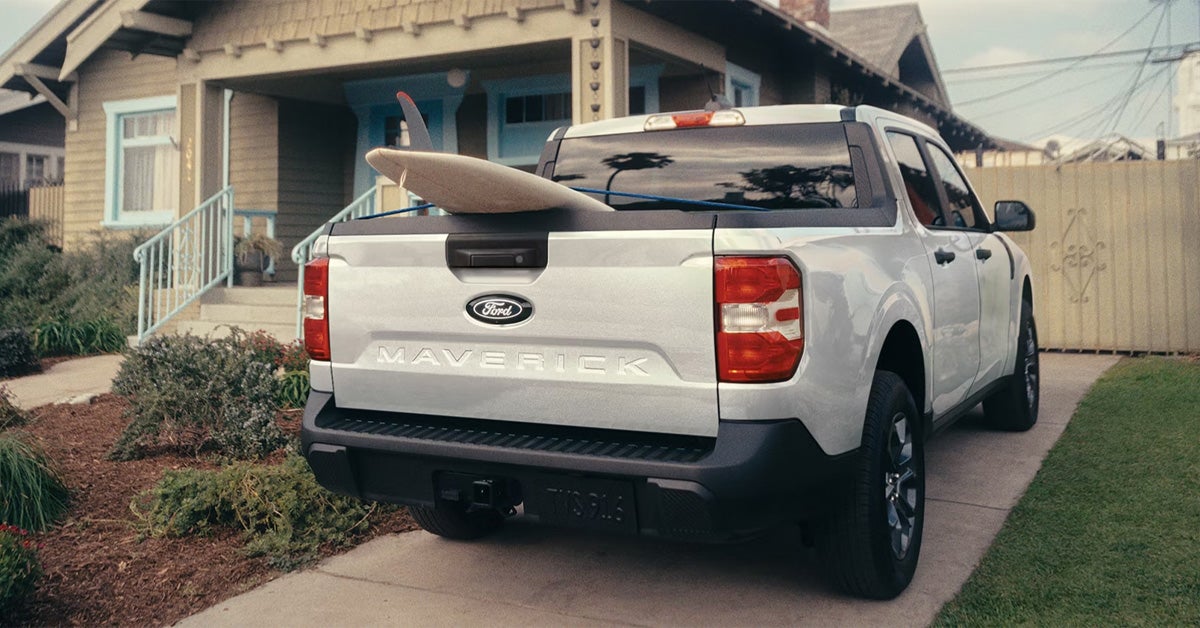
2026 Ford Maverick pickup truck

Ford Maverick Towing and Payload Capacity Guide [2026]

The 2026 Ford Maverick can tow up to 4,000 pounds when properly equipped with the available 4K Tow Package, while standard configurations offer up to 2,000 pounds of towing capacity. Its maximum payload is around 1,500 pounds, depending on configuration, giving drivers a versatile compact truck for hauling cargo, towing recreational equipment, and handling everyday jobs. At University Ford, we are proud to serve drivers in Huntington, Charleston, Barboursville, and Ashland with dependable automotive support from sales to service and parts. Whether you are shopping for a new Maverick or need help with your current Ford, our team is here to assist with your automotive needs. Give us a call or contact University Ford today to get started. Explore Ford Maverick Get Directions Contact Us How Much Can the 2026 Ford Maverick Tow? The Ford Maverick towing capacity reaches up to 4,000 pounds when properly equipped with the available 4K Tow Package. Standard configurations offer up to 2,000 pounds of towing capacity, giving the Maverick useful capability for lightweight trailers, recreational equipment, and everyday hauling. What Can the Maverick Tow? The standard 2,000-pound rating can handle a variety of smaller loads, including: Small utility trailers Jet skis and personal watercraft Small pop-up campers Lightweight teardrop trailers For drivers who need additional capability, a properly equipped Maverick with the 4K Tow Package can tow up to 4,000 pounds. That added capacity can make it suitable for small boats, double-axle utility trailers, and medium camping trailers, provided the loaded trailer remains within the truck's specific limits. Choosing the right configuration depends on what you plan to tow. Someone hauling landscaping equipment around Huntington or Barboursville may have different needs than a driver heading out from Charleston or Ashland with a camping trailer. University Ford can help you compare available Maverick configurations and towing equipment, so give our team a call or visit us to find the right setup for your needs. What Is the Ford Maverick 4K Tow Package? The Ford Maverick towing package, commonly known as the 4K Tow Package, is designed for drivers who need more capability from their compact pickup. When properly equipped, it raises the Maverick's maximum towing capacity to 4,000 pounds, compared with the standard 2,000-pound rating. What Does the 4K Tow Package Include? The package adds equipment designed to support heavier towing and help the Maverick manage the additional demands placed on the truck. Key components include: Class III hitch receiver: Provides a stronger connection point for compatible trailers. 7-pin wiring harness: Supports the electrical connections needed for properly equipped trailers. Integrated trailer brake controller: Helps the driver manage trailer braking from inside the truck. Transmission oil cooler: Helps manage transmission temperatures during demanding towing conditions. Upgraded radiator and cooling system: Provides additional cooling capability when the truck is working harder. These features can make a meaningful difference when you're towing a larger camping trailer, small boat, or utility trailer. For example, someone preparing for a weekend trip may appreciate the additional capacity and equipment when their loaded trailer approaches the limits of the standard Maverick setup. If you're considering a Maverick for towing around Huntington, Charleston, Barboursville, or Ashland, University Ford can help you identify available configurations equipped for your needs. Contact our team or visit us to learn more about Maverick towing equipment and find a truck that fits your plans. What Is the Ford Maverick Payload Capacity? The Ford Maverick payload capacity reaches around 1,500 pounds, with some configurations rated at approximately 1,544 pounds. That capacity gives the Maverick flexibility for carrying tools, equipment, outdoor gear, groceries, and other cargo in the cab and bed. What Counts Toward the Maverick's Payload? The payload is more than the items placed in the truck bed. The total weight carried by the vehicle can include: Passengers inside the cabin Cargo in the bed Items stored inside the cabin Trailer tongue weight Additional equipment or accessories For example, imagine loading the Maverick with several bags of landscaping supplies while two passengers ride along. All of that weight contributes to the truck's payload, so it's important to consider the combined load rather than focusing only on how much fits in the bed. Does Every Maverick Have the Same Payload Rating? Not necessarily. The actual rating can vary based on the truck's configuration, including its drivetrain, trim, engine, and equipment. Specialized versions, such as off-road or performance-oriented configurations, can also have lower payload ratings due to their particular equipment and suspension setups. When you're shopping for a Maverick in the Huntington, Charleston, Barboursville, or Ashland area, University Ford can help you compare configurations and understand their individual capabilities. Contact our team or visit the dealership to find a Maverick that has the payload capacity and features you need for your daily driving and hauling. How Much Weight Can the Ford Maverick Carry? The Ford Maverick payload weight can reach approximately 1,500 pounds, with certain configurations rated at up to about 1,544 pounds. This capacity includes everything the truck is carrying, so passengers, cargo, accessories, and trailer tongue weight all need to be considered when calculating the total load. What Affects the Maverick's Carrying Capacity? The exact payload rating can vary depending on how the Maverick is equipped. Factors such as the engine, drivetrain, trim level, and available equipment can affect how much weight a specific truck can carry. When planning a load, consider everything that will be inside or attached to the truck: Passengers in the cabin Tools and equipment Cargo placed in the truck bed Gear stored inside the cabin Trailer tongue weight Added accessories or equipment For example, if you're loading the Maverick with tools for a project near Huntington or picking up supplies around Charleston, the weight of those items adds to the total payload. If you're also towing a trailer, its tongue weight counts toward the same payload capacity. Why Should You Check the Specific Payload Rating? The maximum figure is not necessarily the payload rating of every Maverick. Certain specialized configurations can have lower capacities, making it important to check the specifications for the exact truck you're considering. University Ford can help shoppers from Huntington, Charleston, Barboursville, and Ashland compare Maverick configurations and understand their available payload capabilities. Contact our team or visit us to find a truck that fits the way you plan to carry and haul. How Do the Ford Maverick Payload and Towing Ratings Work Together? The Maverick's towing and payload ratings are closely connected. While towing capacity tells you how much weight the truck can pull, payload capacity covers the weight the truck itself is carrying, including passengers, cargo, and the trailer's tongue weight. Why Does Trailer Tongue Weight Matter? When a trailer is connected to the Maverick, part of its weight is transferred through the hitch onto the truck. That tongue weight counts toward the vehicle's payload, which means you cannot simply use the maximum towing and maximum payload ratings independently. For example, imagine you're towing a loaded utility trailer while carrying passengers and equipment in the Maverick. Your total payload calculation needs to account for: Driver and passengers Cargo inside the cabin Items in the truck bed Trailer tongue weight Additional equipment or accessories The Ford Maverick payload limit therefore matters even when your trailer is within the truck's advertised towing capacity. A trailer that falls below the maximum towing rating can still require careful weight planning if its tongue weight, passengers, and cargo bring the truck close to its payload rating. How Can You Stay Within the Ratings? Before towing, consider the complete combination rather than looking at one number. Check the specific Maverick's ratings and account for the loaded trailer, passengers, cargo, and tongue weight. If you're planning to use a Maverick for weekend recreation, home projects, or everyday hauling around Huntington, Charleston, Barboursville, or Ashland, University Ford can help you review the available configurations. Contact our team or visit us to discuss your towing and payload needs and find a Maverick equipped for the job. What Can the Ford Maverick Tow With Each Capacity? The Maverick offers two primary towing levels, giving drivers flexibility based on what they need to pull. The standard 2,000-pound capacity works well for lighter recreational and utility loads, while a properly equipped Maverick with the 4K Tow Package can tow up to 4,000 pounds. What Can You Tow Up to 2,000 Pounds? The standard rating is well suited to smaller trailers and recreational equipment. Depending on the actual loaded weight, examples can include: Small utility trailers Jet skis and personal watercraft Small pop-up campers Lightweight teardrop trailers These can be useful for everything from hauling landscaping supplies to taking a small camper on a weekend trip. Always account for the trailer's actual loaded weight rather than relying on an unloaded or estimated figure. What Can You Tow Up to 4,000 Pounds? When properly equipped with the 4K Tow Package, the Maverick can tow up to 4,000 pounds. This provides additional flexibility for heavier recreational and utility loads, including: Small boats Double-axle utility trailers Medium camping trailers Certain small vehicles transported with a dolly The Ford Maverick payload and towing ratings should always be considered together. Even if a trailer falls below the maximum towing rating, passengers, cargo, and trailer tongue weight still count toward the truck's payload capacity. Whether you're preparing for a camping trip near Huntington or hauling equipment around Charleston, Barboursville, or Ashland, University Ford can help you choose a Maverick configuration suited to your plans. Contact our team or visit us to explore available Mavericks and discuss the towing equipment that fits your needs. Which Ford Maverick Configuration Is Right for Towing and Hauling? Choosing the right Maverick configuration starts with how you plan to use the truck. If most of your driving involves everyday cargo and occasional light trailers, a standard configuration may provide the capability you need. Drivers who regularly tow heavier loads should pay closer attention to the engine, drivetrain, available equipment, and the Ford Maverick towing capacity for the specific configuration. What Should You Consider When Choosing a Maverick? Think about the type of work and recreation you expect the truck to handle. Key considerations include: Towing needs: Determine the loaded weight of the trailer you expect to tow most often. Tow equipment: If you need up to 4,000 pounds of towing capacity, look for a Maverick equipped with the 4K Tow Package. Payload needs: Consider passengers, tools, cargo, accessories, and trailer tongue weight together. Drivetrain: Engine and drivetrain combinations can affect the truck's available towing and payload ratings. Trim and equipment: Specialized configurations may have different capacity ratings, so check the specifications for the exact truck. For example, someone who occasionally pulls a small utility trailer may have different requirements than a driver who regularly takes a boat or camping trailer on weekend trips. Knowing your typical load makes it easier to narrow down the right Maverick before you start shopping. How Can University Ford Help? If you're shopping from Huntington, Charleston, Barboursville, or Ashland, the team at University Ford can help you compare Maverick configurations based on how you plan to tow, haul, and drive. Contact us or visit University Ford to explore available Mavericks and find the equipment that matches your everyday needs. What Should You Consider Before Towing With the Ford Maverick? Before hooking up a trailer, it helps to look beyond the maximum towing number. The Maverick's actual towing and payload capabilities depend on its specific configuration, equipment, and the weight you're carrying inside the truck. What Should You Check Before You Tow? A few simple checks can help you plan your load properly: Loaded trailer weight: Account for the trailer itself plus everything you're carrying in it. Tongue weight: Remember that trailer tongue weight counts toward the Maverick's payload. Passengers and cargo: Include everyone riding in the truck, along with tools, luggage, and other items. Towing equipment: If you need the higher towing rating, make sure the Maverick has the appropriate Ford Maverick towing package. Trailer connections: Verify that the hitch, wiring, safety equipment, and trailer brakes are properly connected and compatible. Vehicle ratings: Check the specific Maverick's towing and payload specifications before setting out. Why Does Proper Weight Planning Matter? Consider a weekend trip with a small camper. The trailer might fall within the Maverick's towing rating, but once you add passengers, camping gear, food, and tongue weight, the total load on the truck can increase significantly. Planning for the complete combination helps you stay within the applicable ratings. Drivers around Huntington, Charleston, Barboursville, and Ashland can turn to University Ford when they need help understanding Maverick configurations and towing equipment. Contact our team or visit us to explore available models and find a Maverick equipped for the way you plan to haul and tow. What does the 2026 Ford Maverick tow package include? The available 4K Tow Package includes a Class III hitch receiver, 4-/7-pin connector, trailer brake controller, upgraded cooling fan, and additional cooling equipment. It also includes a transmission oil cooler on 2.5L Hybrid models and a radiator upgrade on 2.0L gas models. Is a Ford Maverick good for towing? Yes, the Ford Maverick can tow up to 2,000 pounds in standard configurations or up to 4,000 pounds when properly equipped with the available 4K Tow Package. How much weight can you put in the bed of a Ford Maverick? The 2026 Ford Maverick has a maximum payload capacity of up to 1,500 pounds, depending on the configuration. Can you fit a 4x8 sheet of plywood in a Ford Maverick? Yes, a 4x8 sheet of plywood fits in a Ford Maverick when using the mid-position tailgate setting. The 48-inch-wide sheet can rest flat across the bed and partially lowered tailgate, with the sheet extending beyond the tailgate. Which Ford Is Right for Your Driving Needs? If you're comparing Ford vehicles based on capability, versatility, and everyday practicality, University Ford is here to help. Drivers from Huntington, Charleston, Barboursville, and Ashland can explore our selection of Ford models, including the Maverick, and find a truck that fits their towing, hauling, and daily driving needs. The Maverick is one option for drivers who want compact dimensions with useful towing and payload capability. If you're also considering an SUV for your next adventure, take a closer look at our guide to Ford Bronco Sport trim differences to compare features and capabilities between two popular configurations. Visit University Ford or contact our team today to explore available vehicles, learn more about Maverick towing and payload capabilities, and get assistance with sales, service, parts, and more. Get Directions to University Ford Disclaimer: All information is provided for general informational and entertainment purposes only. While we strive for accuracy, we cannot guarantee that all content is complete, current, or error-free. Any reliance you place on such information is strictly at your own risk. This article may include opinions and is not endorsed by, or officially affiliated with, any vehicle manufacturer or brand. Always consult official sources – such as the vehicle’s owner’s manual, authorized dealerships, or certified professionals – for the most up-to-date and personalized information.
Ford F-150 pickup truck

7 Reasons the Ford F-150 Became America's Best-Selling Truck

The Ford F-150 became America’s best-selling truck by combining versatility, impressive towing and payload capability, a wide range of powertrains, and innovative technology. From job-site productivity and fleet use to everyday driving, the F-150 offers the capability and flexibility that have helped make it a longtime favorite among truck buyers. At University Ford, we are here to help drivers find the right F-150 for their needs. Our team is ready to assist with all your automotive needs, from vehicle sales to service, parts, and more. Visit University Ford or contact us today to explore our F-150 selection and learn more about what these trucks can offer. Shop F-150 Inventory Get Directions Contact Us Reason 1: The F-150 Offers Unmatched Versatility A big reason the F-150 has earned its reputation as the Ford F-150's best-selling vehicle is its ability to fit into so many different lifestyles. It can serve as a hardworking pickup during the week, a comfortable commuter on the way home, and a capable partner for weekend projects or outdoor adventures. A Configuration for Different Needs The F-150 gives drivers plenty of ways to build a truck around how they actually plan to use it. Buyers can choose from Regular Cab, SuperCab, and SuperCrew configurations, along with multiple bed lengths. Options include: Regular Cab: A straightforward choice for drivers focused on work and utility. SuperCab: Adds additional interior space while maintaining a practical truck layout. SuperCrew: Provides four-door convenience and generous passenger room for families, crews, or everyday driving. 5.5-foot, 6.5-foot, and 8-foot beds: Different bed lengths make it easier to prioritize passenger space, cargo capacity, or maneuverability. That flexibility matters when one truck needs to handle several roles. A contractor might use an F-150 to carry equipment during the week, then rely on the same pickup for towing a trailer or hauling recreational gear on the weekend. From Work Truck to Premium Pickup Versatility also extends across the F-150 lineup itself. Drivers can choose a practical work-focused model or move into a more refined configuration with premium amenities. At the other end of the spectrum, specialized models such as the Raptor are designed with serious off-road performance in mind. That broad range helps explain why the F-150 appeals to such a wide audience. Instead of building one truck for one type of buyer, Ford offers an F-150 for different priorities, budgets, jobs, and lifestyles. For drivers around Huntington, Charleston, Barboursville, and Ashland, that range can make it easier to find an F-150 that fits daily responsibilities without giving up the capability needed when life gets demanding. Visit University Ford to explore available F-150 models, compare configurations, and find the pickup that fits your needs. Reason 2: The F-150 Delivers Impressive Towing and Payload Capability When the job calls for moving heavy equipment, hauling materials, or pulling a trailer, capability matters. The F-150 delivers the muscle truck owners need, with a maximum towing capacity of up to 13,500 pounds and a maximum payload capacity of up to 2,440 pounds when properly equipped. That level of capability is another reason the ford f 150 best selling vehicle in America, has remained such a recognizable name among full-size truck buyers. Whether you're towing a camper toward a weekend destination or loading up tools for a job, the F-150 is designed to handle demanding tasks. Built to Pull and Carry The F-150's towing and payload capabilities give drivers flexibility for a wide range of jobs and activities. Proper equipment and configuration are important, but the available capacity can make a noticeable difference when you're dealing with a heavy load. Key capability figures include: Up to 13,500 pounds of towing capacity with the properly equipped 3.5L EcoBoost V6 and Max Tow Package Up to 2,440 pounds of maximum payload capacity Available towing technologies designed to make trailer operation easier Multiple cab, bed, and powertrain configurations to match different hauling requirements Imagine loading up a trailer with landscaping equipment for a work project, then using the same truck to tow a boat or camper on Saturday. The F-150 is designed to transition between those responsibilities without requiring a different vehicle for every task. Technology That Makes Towing Easier Raw power is only part of the equation. Ford also equips the F-150 with available technology designed to make trailer tasks more manageable. Pro Trailer Backup & Hitch Assist uses camera and steering technology to help guide the truck toward a trailer and simplify backing maneuvers. For drivers who do not spend every day connecting trailers, features like these can make a challenging task feel more approachable. If towing and hauling are priorities for you, the team at University Ford can help you compare F-150 configurations and determine which setup fits your needs. Visit us or contact our dealership today to start exploring your options. Reason 3: The F-150 Provides a Powertrain for Nearly Every Driver Not every truck driver needs the same kind of performance. Some prioritize everyday efficiency, others need serious towing strength, while some want the traditional feel of a V8 or the high-output performance of an off-road truck. The F-150 addresses those different priorities with a diverse powertrain lineup, helping explain why it remains a leading choice for full-size pickup shoppers and the Ford F-150 best-selling truck in America. Five Powertrains, Different Priorities The available engines give drivers several ways to match the truck to their lifestyle and workload: 2.7L EcoBoost V6: Produces 325 horsepower and 420 lb-ft of torque, making it a well-rounded choice for everyday driving and light-duty work. 5.0L Ti-VCT V8: Generates 400 horsepower and 410 lb-ft of torque for drivers who prefer traditional naturally aspirated V8 performance. 3.5L EcoBoost V6: Delivers 400 horsepower and 500 lb-ft of torque, providing substantial strength for demanding towing applications. 3.5L PowerBoost Full Hybrid V6: Combines 430 horsepower with 570 lb-ft of torque, bringing strong performance together with hybrid efficiency. 5.2L Supercharged V8: Found in the Raptor R, this powertrain produces an impressive 720 horsepower and 640 lb-ft of torque for extreme off-road performance. Performance That Matches Your Lifestyle Consider two F-150 shoppers with completely different priorities. One may need a comfortable pickup for commuting around Huntington or Charleston, with enough capability for occasional hauling. Another might regularly tow equipment or need a truck prepared for demanding work around Barboursville or Ashland. The beauty of the F-150 lineup is that both drivers can find a powertrain designed around their needs. The same model family can accommodate everyday driving, serious towing, hybrid-focused performance, and high-performance off-roading. That flexibility is a major part of the F-150's appeal. Rather than forcing every driver into the same engine, Ford gives shoppers the opportunity to select the balance of power, torque, efficiency, and capability that makes sense for them. Ready to find the right combination of capability and performance? Visit University Ford to explore available F-150 configurations, or contact our team to discuss which powertrain fits your driving needs. Reason 4: Ford Continues to Innovate With the F-150 The F-150 has remained relevant by adapting to changing expectations without losing the capability that truck drivers depend on. Over the years, Ford has introduced new materials, powertrain technologies, and useful features that have helped the F-150 evolve from a traditional pickup into a highly capable, technology-focused truck. That willingness to rethink what a pickup can do is part of what has helped establish the Ford F-150 as the best-selling car, as such a recognizable search phrase, even though the F-150 is a truck. More importantly, its continued evolution gives drivers more ways to use their pickup for work, recreation, and everyday transportation. Innovation That Changed the Pickup Ford has taken several notable approaches to modernizing the F-150. Rather than simply adding more power, the company has worked to improve how the truck performs and how efficiently it handles everyday tasks. Some examples include: High-strength aluminum body: Helped reduce weight while maintaining the durability expected from a full-size pickup. EcoBoost engines: Twin-turbocharged powertrains provide strong horsepower and torque without relying exclusively on larger-displacement engines. PowerBoost hybrid technology: Gives drivers another option for combining strong performance with hybrid capability. Pro Power Onboard: Turns the truck into a mobile power source, with up to 7.2 kW of exportable power available on properly equipped models. Practical Innovation Matters The most useful innovations are often the ones that make a driver's day easier. For example, Pro Power Onboard can provide electricity for tools at a job site without requiring a separate generator. The available Interior Work Surface creates a convenient place for handling paperwork or setting up a laptop while away from the office. These features show how the F-150 has expanded beyond the traditional idea of a pickup. A driver in Huntington might use it for a workday commute, while someone in the Barboursville area could rely on the same type of truck for equipment, projects, and weekend activities. Ford's willingness to introduce new ideas while preserving the core utility of a pickup has helped the F-150 keep pace with changing truck buyers. If you're interested in seeing how these innovations translate into real-world capability, visit University Ford or contact our team to explore available F-150 models. Reason 5: The F-150 Delivers Built-In Productivity for Work For many truck owners, a pickup needs to do more than get from one location to another. It needs to function as part of the job. The F-150 embraces that idea with practical features designed to help drivers power equipment, organize their workspace, and handle everyday tasks without relying on additional gear. That work-focused approach is another reason the ford f 150 best selling vehicle, continues to resonate with contractors, tradespeople, and drivers who expect more from their pickup. The F-150 can serve as transportation in the morning and become a mobile workspace once the workday begins. Power Where You Need It One of the standout productivity features is Pro Power Onboard. On properly equipped F-150 models, the system can provide up to 7.2 kW of exportable power through outlets in the truck bed. That can be useful when you're working somewhere without convenient access to electricity. Depending on the equipment and setup, drivers can use the available power for things such as: Power tools Job-site equipment Appliances Outdoor recreational gear Other electrical equipment Instead of carrying a separate generator for every task, the truck itself can provide a convenient source of power. A Workspace Built Into the Cabin Ford also designed the F-150 to accommodate work that happens between destinations. The available Interior Work Surface uses a folding gear shifter and center console to create a flat workspace. Imagine finishing a job in Charleston and needing to review paperwork before heading to the next location. Or perhaps you're parked near a project in Huntington and need to open a laptop for a few minutes. Having a usable surface inside the truck can turn downtime into productive time. The available Pro Access Tailgate adds another practical touch. Its swing-out design provides easier access to cargo and can bring you closer to the bed, even when a trailer is connected. These thoughtful features help make the F-150 more than a vehicle used to reach the job site. It can become part of how the work gets done. Visit University Ford to explore available F-150 models and discover which productivity features can make your workday easier. Reason 6: The F-150 Has Strong Commercial and Fleet Appeal A truck that works well for individual drivers can also become a valuable tool for an entire business. The F-150 has long served commercial customers who need practical transportation for construction, contracting, landscaping, municipal work, and other industries. Its broad selection of configurations makes it easier for businesses to choose trucks around the specific demands of their operations. That commercial reach is an important part of the story behind the ford f 150 best selling vehicle in America. Businesses need trucks that can handle demanding workloads while fitting into established maintenance, equipment, and fleet routines. The F-150's long history in the pickup market gives commercial buyers a familiar platform with extensive support. Built Around Different Business Needs Not every business uses a truck in the same way. A contractor may need a pickup for tools and materials, while a landscaping company may prioritize bed space and towing. A municipal operation could have completely different requirements. The F-150's range of configurations can accommodate different priorities, including: Multiple cab configurations for different passenger and crew needs Several bed lengths for carrying different types of cargo Multiple powertrains for varying performance requirements Strong towing and payload capabilities for equipment and trailers Available work-focused features that can improve productivity This flexibility can be particularly useful for businesses that need more than one truck. Instead of forcing every employee or department into an identical setup, an F-150 fleet can be configured around different responsibilities. A Pickup Designed to Work Hard The F-150 also benefits from an established ecosystem of parts, accessories, service, and aftermarket support. For commercial operators, that familiarity can matter because keeping vehicles working is often just as important as selecting them in the first place. For a business in Huntington, Charleston, Barboursville, or Ashland, choosing the right truck can be a practical decision tied directly to daily operations. University Ford can help commercial and fleet shoppers explore available F-150 configurations and identify options that fit their workload. Contact our team today to discuss your business's truck needs. Reason 7: The F-150 Combines Capability With Advanced Technology Modern truck drivers expect more than horsepower and hauling strength. They also want technology that makes commuting easier, towing more manageable, and time behind the wheel more convenient. The F-150 brings those priorities together with a collection of connectivity, safety, and driver-assistance features that complement its traditional truck capability. That balance helps explain why the ford f 150 best selling vehicle in america remains such a familiar name among pickup shoppers. The ford f 150 best selling truck in america reputation is supported not only by what the truck can haul or tow, but also by how its technology fits into everyday life. Technology Designed Around the Driver The F-150 includes technology that can help drivers stay connected and confident while they work or travel. Key features include: 12-inch SYNC 4 display: Provides a large central screen for accessing vehicle functions and connected features. Ford Co-Pilot360: Brings together a range of available and standard driver-assistance technologies designed to provide added awareness on the road. Available BlueCruise: Offers hands-free driving capability on compatible roads and under appropriate conditions. Trailer technology: Available features such as Pro Trailer Backup & Hitch Assist can help simplify trailer maneuvering. These technologies are designed to complement the F-150's capability rather than distract from it. A driver can rely on the truck's towing strength when hauling a trailer, then use its connectivity and driver-assistance features during the drive to and from the destination. Technology That Fits Everyday Life The benefits are not limited to work. Someone commuting through Charleston or Huntington can appreciate the F-150's connectivity and driver-focused features just as much as a contractor heading to a job site. Around Barboursville or Ashland, the same technology can make everyday errands, longer trips, and weekend activities more convenient. That combination of traditional truck capability and modern technology has helped the F-150 evolve with its drivers. It can still handle demanding work, but it also provides the comfort and convenience many people expect from a vehicle they use every day. Ready to experience the technology and capability of the F-150 for yourself? Visit University Ford to explore available models, or contact our team today to learn more about the features and configurations that fit your needs. What is the #1 selling truck in America? The Ford F-Series is America's best-selling truck, with 357,801 F-Series trucks sold in the first half of 2026. What is Ford's best-selling vehicle in the US? The Ford F-Series is Ford's best-selling vehicle in the U.S., with 828,832 trucks sold in 2025. What is the best year Ford F-150 to buy? The 2020 Ford F-150 is widely considered a strong overall used model year, while 2018–2020 models are often highlighted for their combination of updated features, powertrains, and value. How many miles can the Ford F-150 last? - A well-maintained Ford F-150 typically lasts 200,000 to 300,000 miles, with some models reaching 300,000 to 400,000 miles with diligent maintenance and proper care. Find the Right Ford for Your Needs The F-150 offers the versatility, capability, and technology needed to handle everything from daily driving to demanding work. If you're shopping for a new Ford around Huntington, Charleston, Barboursville, or Ashland, University Ford can help you explore the F-150 and other models available for your needs. Your ideal Ford may depend on how you plan to use it. For drivers considering a smaller SUV for everyday adventures, you can also compare different Bronco Sport configurations and explore Ford Bronco Sport trim differences to see which features and capabilities fit your lifestyle. When you're ready to find your next vehicle, visit University Ford or contact our team to learn more about the F-150 and our current selection. Get Directions to University Ford Disclaimer: All information is provided for general informational and entertainment purposes only. While we strive for accuracy, we cannot guarantee that all content is complete, current, or error-free. Any reliance you place on such information is strictly at your own risk. This article may include opinions and is not endorsed by, or officially affiliated with, any vehicle manufacturer or brand. Always consult official sources – such as the vehicle’s owner’s manual, authorized dealerships, or certified professionals – for the most up-to-date and personalized information.

2026 Ford Bronco daily driving near Huntington WV

2026 Ford Bronco vs Jeep Wrangler

Appalachian Adventure Comparison 2026 Ford Bronco vs Jeep Wrangler Two removable-roof legends built for gravel roads, mountain trails, creek crossings, and weekends that rarely stay on pavement. The Wrangler keeps its old-school trail toughness. The Bronco answers with rugged capability, smarter tech, and a smoother everyday drive. Shop Bronco Inventory Compare Bronco Trims 2 Icons Compared 4x4 Adventure Ready 418 Bronco Raptor HP Open Air Freedom Trail Guide Bronco vs Wrangler Quick Comparison Daily Driving Off-Road Capability Open-Air Freedom Interior & Technology Which SUV Fits You? FAQ Trail-Tested Take One Is Built for the Weekend. One Is Built for the Whole Week. The Ford Bronco and Jeep Wrangler both look right at home with mud on the tires and a cooler in the back. The difference shows up when the trail ends and the highway home begins. The Bronco brings the grit you want for Appalachian backroads, steep gravel climbs, muddy cut-throughs, and camping weekends without feeling rough around the edges Monday morning. The Wrangler keeps its old-school Jeep toughness, but the Bronco feels more ready for real life between adventures. Real-World Winner The Ford Bronco is the stronger pick for many shoppers who want trail capability without making every weekday commute feel like a trail ride. The Wrangler is still an icon, but the Bronco feels fresher, more modern, and easier to enjoy as both an adventure SUV and a daily driver. 2026 Ford Bronco vs Jeep Wrangler Comparison The Bronco and Wrangler are natural rivals because both offer 4x4 capability, removable roof options, and serious off-road credibility. The difference comes down to personality. Bronco feels more modern and livable. Wrangler feels more traditional and raw. Category Ford Bronco Jeep Wrangler Daily Driving More refined and comfortable More rugged and traditional Off-Road Feel Confident and modern Raw and old-school Open-Air Experience Removable doors and roof Removable doors and roof Technology Larger modern displays and driver tech Simpler and more traditional layout Best For Adventure plus everyday comfort Jeep heritage and hardcore trail culture Daily Driver or Weekend Toy? Which One Feels Better to Actually Live With? The Wrangler has charm, no doubt. It feels mechanical, classic, and unmistakably Jeep. But that same raw personality can make it feel less relaxed during long highway drives or everyday errands. The Bronco feels like Ford asked a very smart question: what if an off-road SUV could still feel modern on Monday morning? Around Huntington, Barboursville, Ashland, and Ironton, that matters. You need something fun enough for weekends but comfortable enough for normal life. Built for Dirt, Not Just Driveways Off-Road Capability Without the Tradeoffs Both SUVs can get dirty. That's the whole point. Wrangler has decades of trail credibility, while Bronco brings its own serious off-road hardware with available features like the Sasquatch Package, advanced 4x4 systems, GOAT Modes, Badlands capability, and the wild Bronco Raptor. The difference is balance. Bronco gives you the confidence to head toward the trail without feeling like you sacrificed the drive back home. Remove the Roof. Keep the Memories. Open-Air Freedom Hits Different The Bronco and Wrangler both let you remove doors and roof panels, which means both can turn an ordinary summer drive into something that feels a little more alive. The Wrangler has the heritage. The Bronco brings that same open-air feeling with a newer, fresher attitude. A clean Bronco with the doors off on a warm West Virginia afternoon feels like an event. It's part SUV, part weekend plan, and part conversation starter. The One That Feels More Modern Interior and Technology This is where the Bronco makes a strong case for itself. It feels rugged without feeling dated. Available technology, smart displays, Ford trail features, and an intuitive cabin layout help make the Bronco feel easier to enjoy every day. The Wrangler has improved a lot over the years, but it still leans into a more traditional Jeep personality. Some shoppers love that. Others want their adventure SUV to feel a little more polished without losing its edge. Shopper Question Bronco Advantage Wrangler Advantage Better for daily driving? Bronco feels more composed, modern, and road-trip friendly. Wrangler appeals to drivers who enjoy a more rugged everyday feel. More personality? Bronco feels fresh, bold, and still a little rebellious. Wrangler has classic Jeep character and loyal community appeal. Better off-road? Bronco Badlands, Sasquatch, and Raptor trims offer serious factory off-road capability. Wrangler Rubicon models remain highly respected for technical trails. More modern? Bronco wins for shoppers who want a newer-feeling cabin and modern Ford tech. Wrangler keeps more of its traditional Jeep identity. What Type of Driver Are You? This is where the Bronco vs Wrangler decision gets easier. Forget the spec-sheet standoff for a second. Think about how you actually drive. Choose the Ford Bronco If... You want trail capability without giving up daily comfort. You like modern tech and a cabin that feels current. You want an SUV that works for commuting, errands, road trips, and weekend escapes. You love rugged style but still want a polished driving experience. You want trims ranging from practical Big Bend to wild Raptor. Shop Bronco Inventory Consider the Jeep Wrangler If... You're loyal to Jeep culture and Wrangler heritage. You like a more traditional, raw off-road SUV feel. You prioritize Jeep customization and community. You don't mind a firmer, more old-school everyday ride. You want the classic Wrangler look above everything else. Still curious? Test drive a Bronco first. It may surprise you. University Ford Pick The Bronco is the better fit for shoppers who want adventure without making life harder during the week. It has the style, the open-air fun, the 4x4 confidence, and the everyday comfort that makes it feel easier to own long term. Two Icons. One Test Drive Can Decide It. Shop the Ford Bronco at University Ford University Ford proudly helps drivers from Huntington, Barboursville, Ashland, Hurricane, Ironton, and the surrounding Tri-State area compare Bronco trims, available inventory, financing options, and trade-in values. If you're torn between the Bronco and Wrangler, start with a Bronco test drive and feel the difference for yourself. View Bronco Inventory Compare Bronco Trims Apply for Financing 2026 Ford Bronco vs Jeep Wrangler FAQs Is the Ford Bronco better than the Jeep Wrangler for daily driving? For many shoppers, yes. The Ford Bronco feels more modern and composed for everyday driving, while the Jeep Wrangler has a more traditional rugged feel. If you want an SUV that can handle commuting, road trips, and weekend trails, the Bronco is a strong fit. Which is better off-road, Bronco or Wrangler? Both are highly capable off-road SUVs. The Wrangler has long-standing trail credibility, while the Bronco offers serious factory capability through trims and packages like Badlands, Sasquatch, and Raptor. The better choice depends on how extreme your trail plans are and how much comfort you want on the road. Does the Ford Bronco have removable doors and roof like the Jeep Wrangler? Yes. The Ford Bronco offers removable doors and roof options, giving drivers the open-air experience that makes SUVs like the Bronco and Wrangler so much fun in warm weather. Which has better technology, Bronco or Wrangler? The Ford Bronco feels especially strong for shoppers who want modern technology, trail-focused features, and an intuitive cabin layout. Wrangler offers improved tech too, but Bronco has a fresher overall feel for many drivers. Where can I compare the Ford Bronco near Ashland, KY? Drivers near Ashland, KY can compare and shop the Ford Bronco at University Ford in Huntington, WV. University Ford also serves drivers from Barboursville, Hurricane, Ironton, and surrounding Tri-State communities.