How Often Should You Service Your Ford in Huntington, WV?
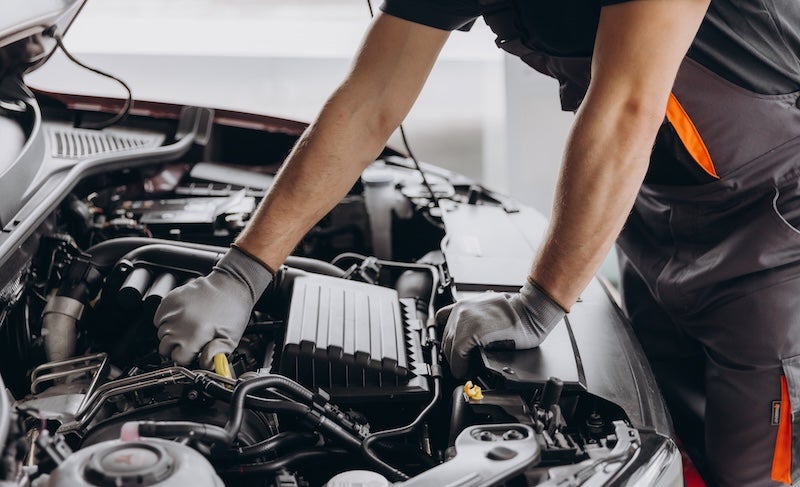
Owning a Ford in Huntington, WV means your vehicle does more than just get you from point A to point B. It handles daily commutes, weekend drives along the Ohio River, road trips through the hills of West Virginia, and everything in between. With changing seasons, mountain grades, humidity, and winter road treatments, your vehicle experiences real-world driving conditions that impact maintenance needs.
So how often should you service your Ford? The answer depends on mileage, driving habits, and local conditions, but there are clear guidelines every Ford owner should understand. At University Ford in Huntington, WV, we help drivers stay ahead of maintenance so small issues never turn into major repairs.
Ford Maintenance Schedule Overview
Most modern Ford vehicles follow a general maintenance pattern. While your owner’s manual provides model-specific recommendations, the following schedule works as a reliable reference point:
- Every 5,000–7,500 miles: Oil and filter change
- Every 10,000 miles: Tire rotation and brake inspection
- Every 20,000–30,000 miles: Engine air filter and cabin air filter replacement
- Every 30,000 miles: Comprehensive inspection and fluid checks
- Every 60,000 miles: Transmission inspection and cooling system service
These intervals may vary slightly depending on your specific model, especially for vehicles like the Ford F-150, Explorer, Escape, or Super Duty trucks, but this framework gives Huntington drivers a strong baseline.
How Often Should You Change Your Ford Oil
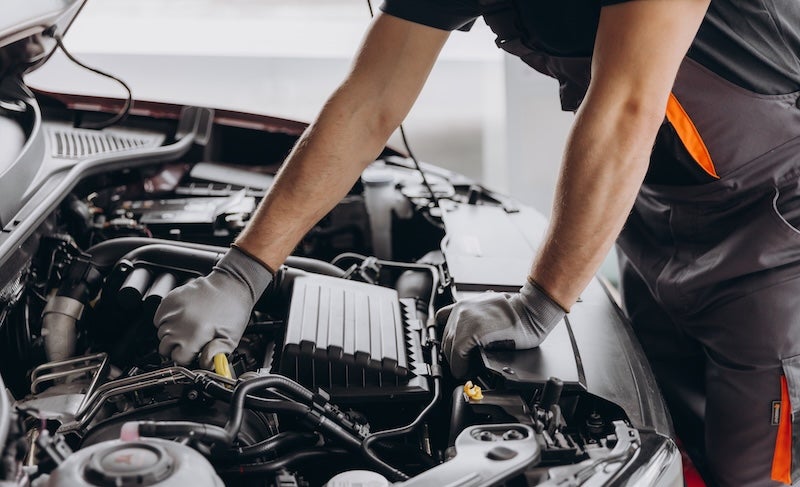
Most Ford vehicles using synthetic oil require an oil change every 5,000 to 7,500 miles. Driving conditions can shorten that interval. If you frequently take short trips, tow trailers or boats, drive in stop-and-go traffic, travel steep or mountainous roads, or experience extreme heat or cold, you may need more frequent oil changes.
West Virginia’s terrain and seasonal shifts make consistent oil maintenance especially important. Clean oil protects engine components, reduces internal wear, and helps maintain fuel efficiency over time.
Why West Virginia Driving Conditions Matter
Huntington-area drivers face unique environmental factors that impact vehicle performance and maintenance needs.
Humidity and River Proximity
Moisture in the air can contribute to brake corrosion and faster wear on certain components, especially for vehicles that sit outside or spend time near the river.
Mountain Grades and Elevation Changes
Climbing and descending hills puts additional strain on braking systems and transmissions. Regular inspections help confirm these components are performing as intended.
Winter Road Treatments
Salt and de-icing chemicals can accelerate undercarriage wear if not addressed with inspections and, when needed, professional cleaning and protection.
Temperature Swings
Seasonal temperature shifts can affect battery life, tire pressure, and fluid viscosity. A consistent maintenance schedule helps catch these changes before they impact day-to-day driving.
Signs Your Ford May Need Service Sooner
Even if you are following a mileage schedule, your vehicle may show signs that maintenance is needed earlier. Paying attention to these signals can help you avoid bigger repairs.
- Dashboard warning lights
- Squealing or grinding brakes
- Vibration while driving or braking
- Rough shifting or hesitation
- Burning smells or unusual odors
- Fluid spots under your vehicle
- Reduced fuel efficiency
What Happens During Routine Ford Service
At University Ford in Huntington, routine service appointments typically include:
- Oil and filter replacement
- Multi-point inspection
- Brake system check
- Tire pressure and tread evaluation
- Fluid level inspection and top-off
- Battery testing when needed
This comprehensive approach helps ensure your vehicle remains safe, efficient, and reliable for daily use and longer trips alike.
Does Servicing at a Ford Dealership Make a Difference
Many drivers ask if dealership service is truly necessary. While you are not legally required to service your vehicle at a dealership to maintain warranty coverage, there are meaningful advantages.
Factory-Trained Technicians
Certified Ford technicians receive brand-specific training and stay current on evolving vehicle technology, including the latest driver assistance systems and powertrain updates.
Genuine Ford Parts
OEM parts are designed specifically for your vehicle’s engineering standards. This helps maintain performance, safety, and long-term durability.
Advanced Diagnostic Equipment
Ford-specific diagnostic systems can identify issues more precisely than universal tools, which can save time and reduce guesswork during repairs.
Warranty Documentation and Resale Confidence
Dealership service provides documented maintenance records that support warranty claims and can inspire more confidence at trade-in time or when selling your vehicle.
How Maintenance Impacts Resale Value
Routine service is not only about preventing breakdowns. It also protects long-term vehicle value. When it comes time to trade in or sell your Ford:
- Documented dealership service history can increase buyer confidence
- Properly maintained engines and transmissions tend to command stronger offers
- Consistent oil changes reduce the risk of internal engine damage
No matter how long you plan to keep your Ford, maintenance plays a direct role in long-term financial return.
Seasonal Maintenance Tips for Huntington Drivers
Staying proactive throughout the year can prevent unexpected repairs and keep your Ford feeling consistent from season to season.
Spring and Summer
- Inspect brakes after winter driving
- Check cooling system performance
- Monitor tire wear and alignment after temperature changes
Fall and Winter
- Test battery strength before colder temperatures arrive
- Inspect heater and defroster systems
- Check tire tread depth and pressure
- Schedule undercarriage inspections after heavy salt exposure
How Often Should You Schedule Service in Huntington, WV
For most drivers, a practical starting point is:
- Plan on an oil change every 5,000–7,500 miles
- Schedule a full inspection at least once per year
- Address warning lights and unusual symptoms as soon as they appear
- Adjust intervals based on driving habits, towing, and local conditions
If you are unsure about your vehicle’s needs, a certified Ford service advisor can review your maintenance history and create a customized plan.
Why Huntington Drivers Trust University Ford for Service
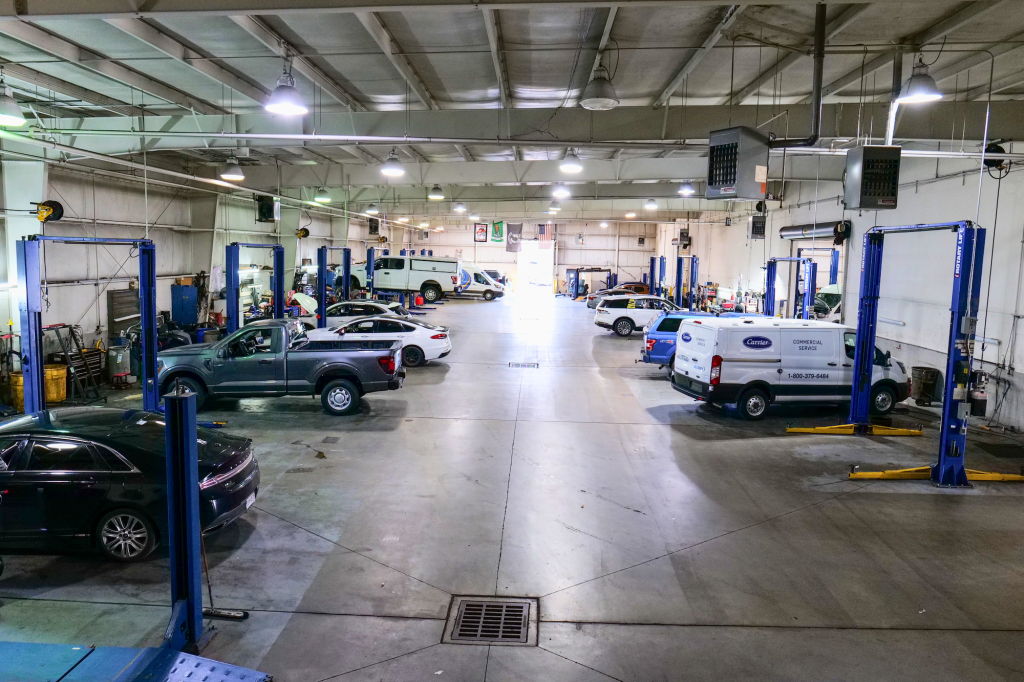
Drivers from Huntington, Barboursville, Ashland, and across the Tri-State area rely on University Ford for dependable maintenance and repair. Our service center provides certified Ford technicians, genuine Ford parts, advanced diagnostics, and convenient online scheduling.
Whether you drive a Ford F-150, Explorer, Escape, Edge, or Super Duty truck, our team is equipped to keep it performing at its best.
Stay Ahead of Ford Maintenance
Routine maintenance protects engine performance, fuel efficiency, brake safety, transmission longevity, and resale value. Staying proactive is almost always more affordable than waiting for a major repair.
If your Ford is approaching a service milestone or you have noticed signs it may need attention, schedule a service appointment with University Ford in Huntington, WV. Our team will help you create a maintenance plan designed around your vehicle and your driving habits.